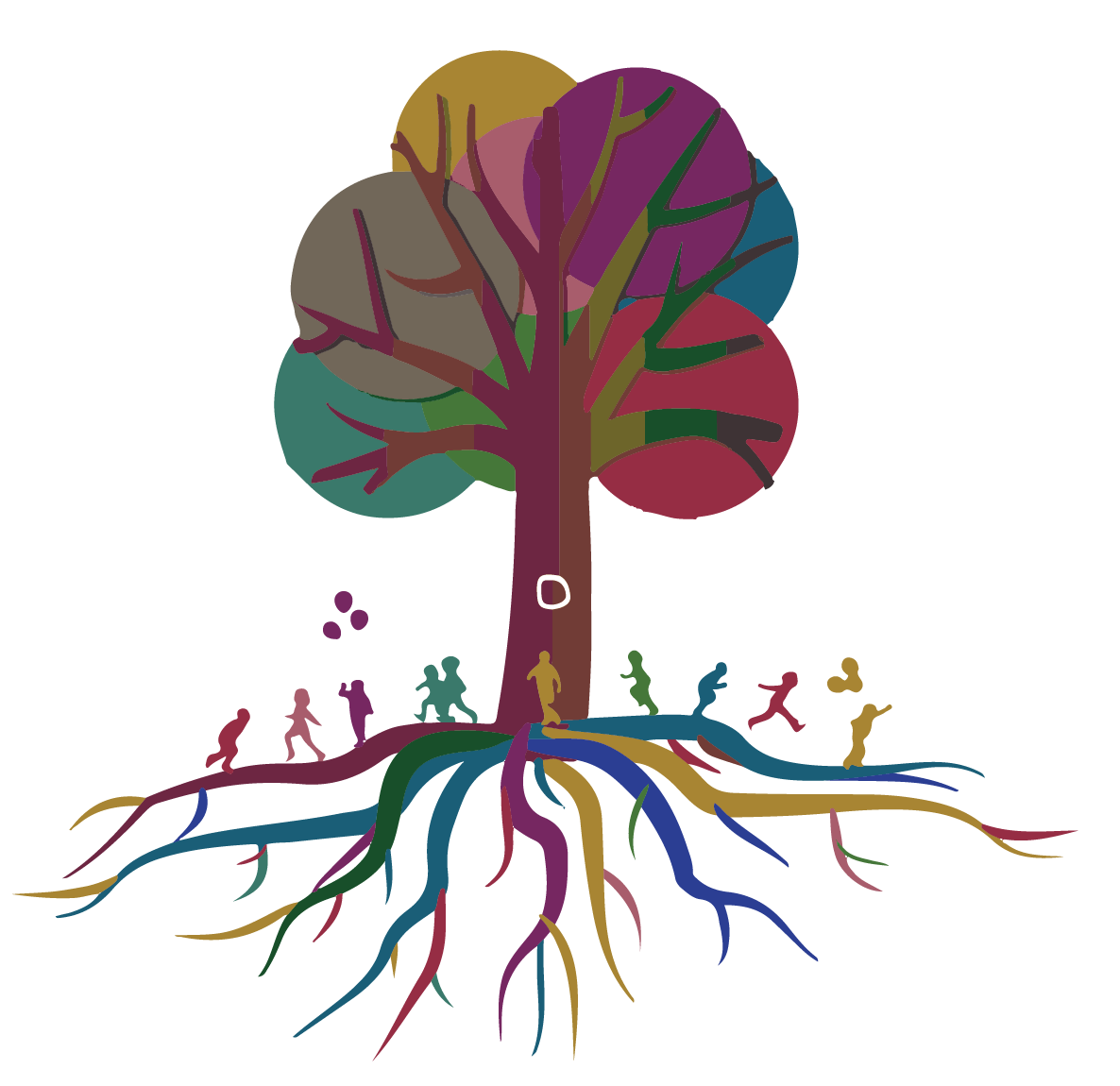
The Value of the Outdoor Learning through Play
“In every walk in nature one receives far more than he seeks.” - John Muir
It’s hard to ignore the impact that a walk in nature has on the human experience, physically and psychologically. “Biophilia is defined as the innate human instinct to connect with nature and other living beings…Biophilia is more than just a philosophy—it has been found to support cognitive function, physical health, and psychological well-being” (E. Vidovish, 2020). Connecting with nature is essential to human development. If these connections are not nurtured from a young age people can develop “biophobia,” which is an irrational fear of nature and living species. This is especially true in urban areas where children have little or no opportunity to slow down and spend time just appreciating and contemplating nature.
Richard Louv first coined the term, “nature deficit disorder” in 2005, in his book Last Child in the Woods. Since then, the outdoor movement has emerged here in US and other countries. Science has finally caught up with what first peoples have always known from their indigenous ways of being. It’s not a new concept but people all over the globe are now studying, documenting, and quantifying the effects being outside has on people’s ability to learn and thrive.
The current face pace of the modern world can over stimulate the mind and drain the body, so being outdoors not only provides psychological protection from anxiety, and depression but it also helps with attention, reducing learning disabilities, improving sleep and so much more.
Having wild places to run, move freely and play outdoors is crucial for children and adults. Everyone should have access to the naturally healing effects of forming a bond with the earth. We're committed to a philosophy and lifestyle that helps children and their “nature elders” connect more deeply with nature and to preserving natural spaces for people of all ages, all colors, all orientations.
Deep Rooted Play exists to advocate for outdoor play in natural spaces, and to inspire parents, educators, therapists, and early childhood specialist to use more nature in their everyday routines with children. We can live an interconnected life in harmony with wild species that exist in urban areas and it’s key that we impart our wisdom on future generations so they will be inspired to become stewards of the environment.