At Mountain School in the Los Gatos Mountains (where I used to work) Jon Young came to talk to us for Teacher in service day a few times, he also did two parent workshops. http://8shields.org/about/ One of the times he came he talked to us about doing sit spots with children. He writes about sit spots, nature journals and nature poetry as a way to connect more deeply with nature in his book: Coyote’s Guide to Connecting with Nature. http://coyotesguide.com/ He’s an anthropologist and he will periodically go live with indigenous people, then return to share with others what he learned from his field studies. He talks about using children’s passions as your curriculum in nature-based schools and many other useful practices and approaches to nature-based education. The book is endorsed by David Sorbel https://www.antioch.edu/new-england/faculty/david-sobel/and the forward is written by Richard Louv, renowned author of the book Last Child in the Woods, Saving Our Children from Nature-Deficit Disorder http://richardlouv.com/about/. Louv has been one of the most influential leaders in the outdoor movement.
At the in-service day Jon Young talked about sit spots and bird language. He said to do sit spots with the children and have them sit quietly and be observers. Children who can draw should make detailed observations in their nature journals because this practice heightens their senses and apperception of the natural world. But as an educator I know it benefits the brain in a therapeutic way, but also enhances cognitive development. He encouraged us Teachers to close our eyes and just listen and become attuned to nature and to trust our senses so we can have the same experience that our children would have. Our senses are our inner guide and the modern world has disconnected us for the natural rhythm and pace of the planet, children are being rushed through life with little time for reflection, contemplation and care for their inner thoughts and feelings. Slowing down and being reflective in this way benefits humans in profound ways that are hard to describe in words. He encourages us to re-visit the same spot and make note of changes overtime. He told stories of how intuitive indigenous people live and how they use their keen senses to determine the weather, notice danger, hunt for prey and even predict when travelers are approaching. These people are in in tune and connected with the land that they are in harmony with. They study bird language. The birds are the first forest animals to notice changes. He had us do an exercise-we walked in the woods without talking, listening to the birds. They spoke to each other warning others that we were approaching. The other animals like coyote and wolves pay attention to bird language too and heed their warning. This talk sparked my fascination with birds. I already loved the way they look and their nests but I was now fascinated by the way they communicate.
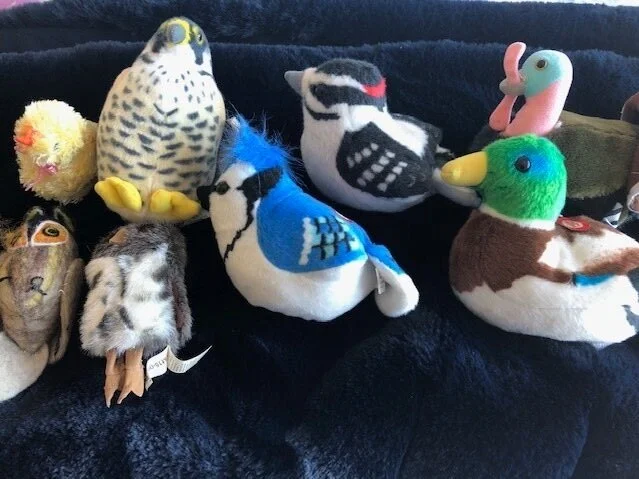
I always loved birds but my curiosity grew even more that day and it inspired me to inspire so many children and parents to become in tune with the birds. My old school has a whole community of bird lovers now! Even in the busyness of the city I look up at the powerlines and take my cues from the birds. Soon after his talk I went to the wild bird store and bought some stuffed birds that make bird calls when you squeeze them. I started to teach my preschoolers all about bird sounds. The parents saw my enthusiasm and they stared buying these stuffed toys for their kids and for me. I now have a large collection of these birds. From there I downloaded the Audubon society app on my phone and started learning and teaching kids about birds. I became a member and I learn so much from their newsletter. I would bring a wireless speaker and play the sounds from the app. It attracted other birds. Once I was at a farm with peacocks about 2 miles away, when I played their sound for the children and a peacock responded in the distance. The joy and surprise that crossed the children’s face is something I’ll always remember. I’m known as the bird teacher now. I use the app to identify birds that I encounter. Some Teachers had issues with me using technology in outdoor school, but I think if you use it responsibly in a way that doesn’t create addiction it’s OK, especially if it helps children connect more deeply with nature. I’m looking forward to meeting some new species here in the San Bruno mountains. I have two special sit spots here in Brisbane. I meditate in both of these places because they bring me peace and being with nature makes me reflect on my spiritual practices and beliefs.
“Our sense are our inner guide and the modern world has disconnected us for the natural rhythm and pace of the planet, children are being rushed through life with little time for reflection, contemplation and care for their inner thoughts and feelings. Slowing down and being reflective in this way (sit spots and nature journals) benefits humans in profound ways that are hard to describe in words”
Based on this training and as part of a requirement for and ECE class (Narrative Inquiry and Memoir in Early Childhood Education) at San Francisco State University
https://gcoe.sfsu.edu/dcp/early-childhood-education-ma
I decided to do a sit spot at my kitchen window where I can watch the birds.
These are my nature journal entries:
My backyard Feb.15, 2020
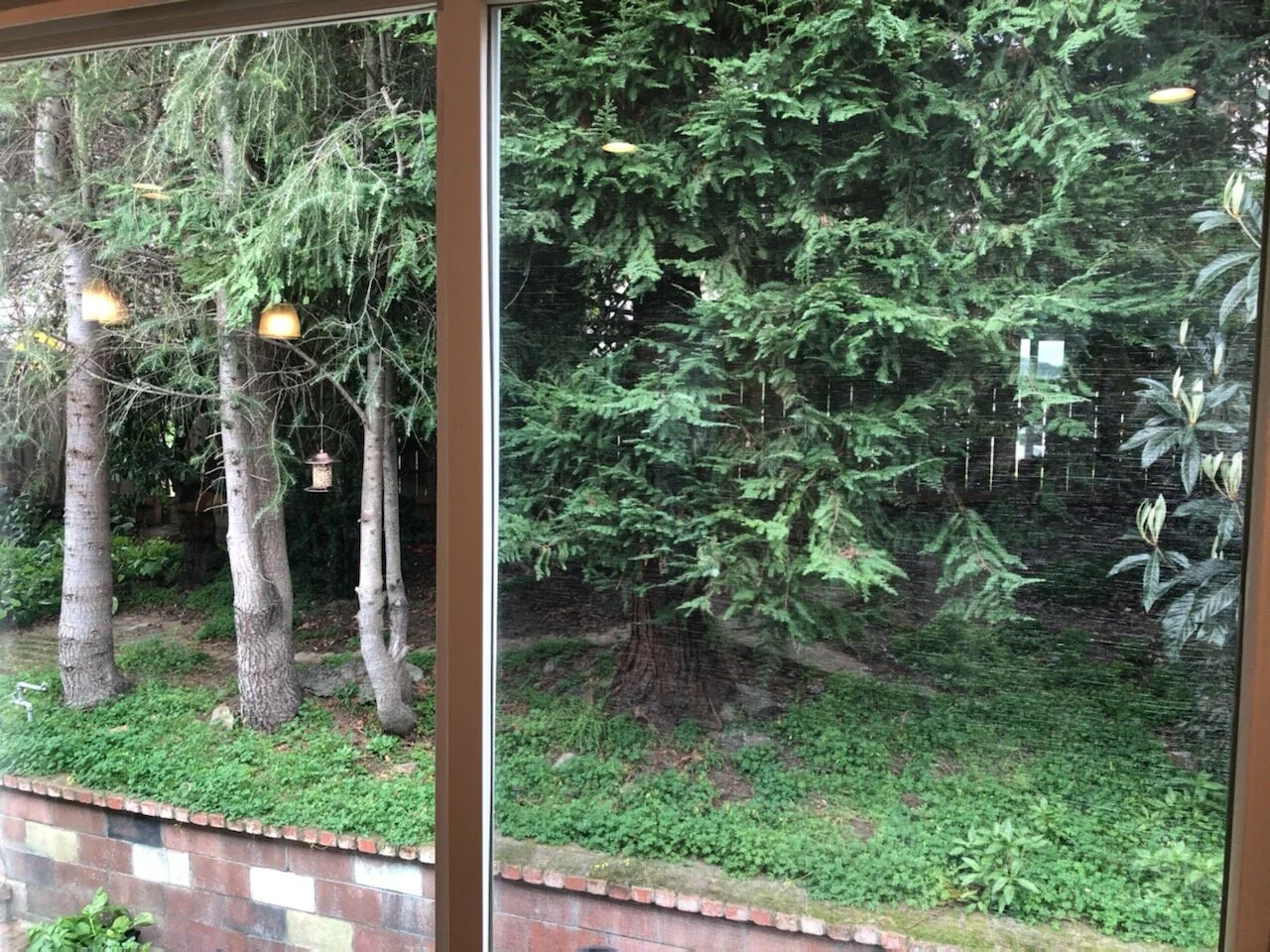
Can you see my bird feeder?
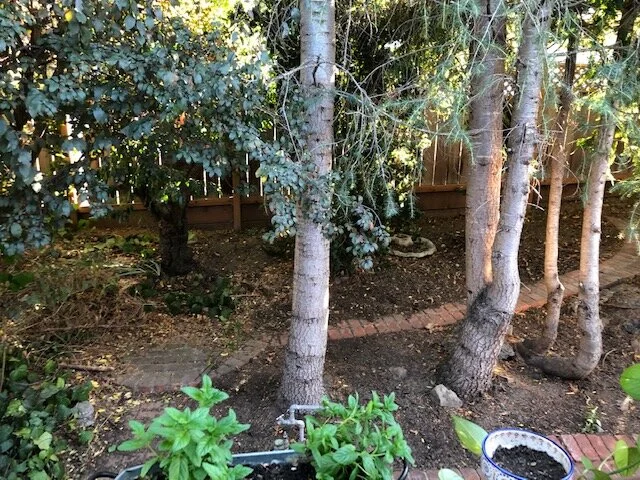
This is the view is from my kitchen table. It’s one of my sit spots where I do nature my journaling routine. I added the bird feeder today and I can’t wait to see what kind of back yard birds I will encounter. One of my requirements when I moved here to Brisbane, CA in Oct. 2019 was to have a patio or some place for plants. I had no idea I would find such a special place like this in the urban area of San Francisco. I never see my neighbors back there unless I invite them to join me. So, I have a lot of privacy looking out into this yard. I keep my windows free of blinds because I am upstairs and I like to let the light in. The tall trees give me privacy from the street as well. My living room and kitchen face this back area which is very natural looking. I have a beautiful old redwood tree, some silver birches, a cherry tree and a magnolia tree. There’s another tree that I don’t know so I’ll have to do some research. Also, there’s a Camilla bush that isn’t in bloom yet. I can’t wait to see it drop flowers. I examined the pods and I see that they will be red. That’s the color gardener call it but it’s more fuchsia really. At night I hear a lot of ruckus out there. Once I caught two possums mating out there (up a tree) and there have been a lot of skunks and raccoons. So far I haven’t seen them in the day time.
Feb. 25, 2020
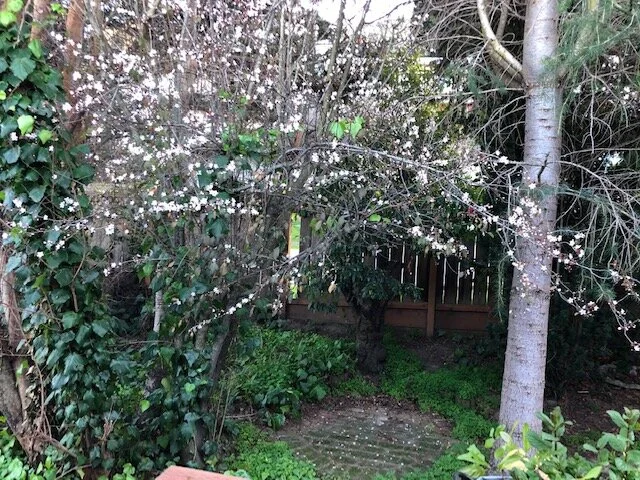
I haven’t seen any birds yet and I wonder if it’s because I got the wrong kind of seeds? Maybe it’s too cold still. Spring is coming, so I’ll have to be patient. I love sitting here in my zen place where I sip my delicious, rich and smooth aromatic coffee. Coffee makes me so happy! I can’t live without my morning cup. I think about it before I go to bed at night. It’s the best smell in the morning to awaken my senses... I always start my day with a morning ritual of sipping coffee and staring out my window. I zone out for about 20-30 mins and start my day slowly, followed by my morning meditation. It takes me 2 hours to get ready for the outside world on a weekday. I really don’t like people talking to me in the morning. I really appreciate my alone time here at the kitchen window where I look out and admire Mother Earth’s natural precious gifts. There’s so much beauty here in Brisbane and I’m so glad I came here. I usually open the window and allow the crisp fresh air to caress my skin and awaken my senses. I love to listen to the sounds of birds and the gentle rush of cars going by in the distance. When I fist moved here, I had to adjust to the sound of air planes overhead. I’m so close to the SF airport and I have never lived in such an urban area before. Brisbane is a little haven tucked in on one side by rolling hills (San Bruno Mountains) and on the other side “the Bayview” neighborhood. I can see shipping boats, cruise ships, sail boats, on one side and San Francisco on the other side. It’s a haven here. I hear birds chirping and wonder if they will begin to visit my yard?
“I really appreciate my alone time here at the kitchen window where I look out and admire Mother Earth’s natural precious gifts.”
March 5, 2020
My back yard-for some odd reason the landlord thought he needed to “clean it” so he took out all of the beautiful clover and ivy ground covering.
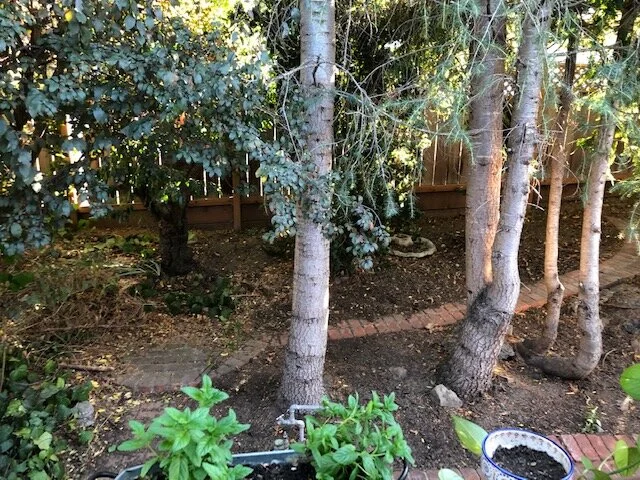
Maybe I should return the feeder? I bought it because it’s supposed to be squirrel proof and I know how pesky squirrels can be. In the Los Gatos/Santa Cruz mountains where I used to live, we had larger brown squirrels but here in Brisbane I have only seen small black squirrels who spend a lot of time on the ground. Squirrels became a fascination of mine and of course I passed that on to the children in my preschool class one year because we were seeing them-and scrub jays everywhere at one of our outdoor sites. It was fun acting like squirrels and playing squirrel games.
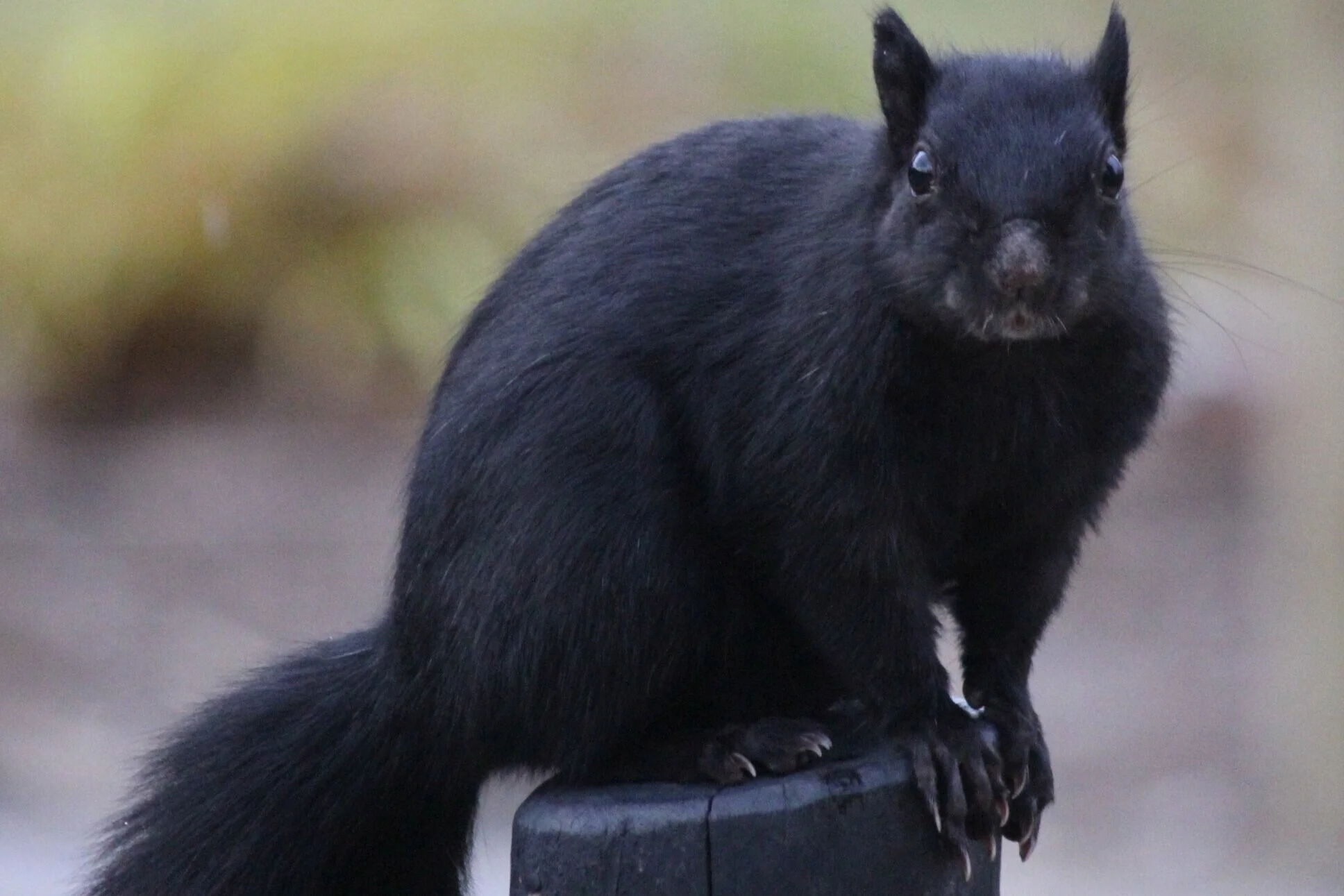
The Western gray squirrel comes in a variety of color morphs
https://baynature.org/2014/02/20/black-squirrels-common-california/
March 7, 2020
I saw two birds!!!!! I’m so glad I remained patient and didn’t return the feeder. When the birds saw me, they flew away. I noticed that the food level had gone down a little, so I wondered if they have been feeding only when I’m not here? The birds were both brown with large “fat” breasts. They have white flecks on their feather and were sort of plain looking. I have to find out what type of birds they are. My heart jumped a little when I saw them. It brings me such excitement and wonder when I see new things that I can learn about. Outdoor school has really changed me and opened up a fervent passion for learning which trickles into my personal life. I realize that learning about the natural world is just endless. I can never know enough, and I’m always in awe! Complete awe! My senses, curiosity and creativity are heightened when I spend time in nature. It’s that way for the children too. I love that Teachers are co-learners alongside of children in outdoor school. The curriculum is emergent and it comes from the children’s questions and observations.
“Outdoor school has really changed me and opened up a fervent passion for learning which trickles into my personal life. I realize that learning about the natural world is just endless. I can never know enough, and I’m always in awe! Complete awe! My senses, curiosity and creativity are heightened when I spend time in nature. It’s that way for the children too.”
March 15, 2020
Lots more birds have arrived!!! But all one species. They shy away when they see me at the breakfast table. I looked up the type of bird on my app. and did some internet searching but I cannot identify it and think it might be a type of thrush. Sense I started working in outdoor school my dormant passion for nature has been re-awakened. I had this passion as a child. I spent summers visiting my paternal grandfather in Iowa and we stayed outdoor at his cabin by the lake all day and night. He made us when he called a “lean to.” It was a mattress on the ground, he tied a rope between two trees and draped a trap over creating a triangular shaped covering for us. I remember one summer we slept under a nest of baby owls and they kept us awake at night. My grandpa was my nature elder (a term I learned at a training hosted by the Outdoor Classroom Project at UCSC). https://outdoorclassroomproject.org/about/our-story/ He taught my brother and my cousins all about, gardening, fishing and the animals we encountered. His actions (not words) taught us to have gratitude. When we we’re together in nature, it was like time expanded. We were free!
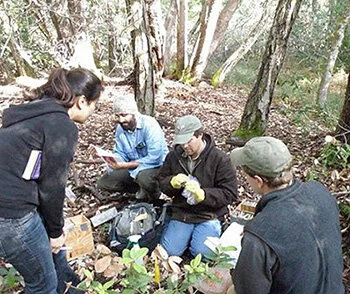
here’s me at The Outdoor Classroom Project training at UCSC https://www.ucsc.edu/
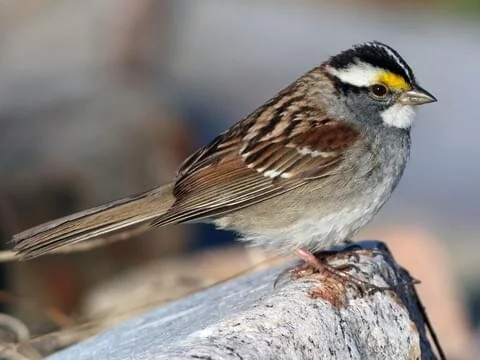
crowned white sparrow
continued……
Sitting here fills me with gratitude and appreciation. Not everyone has a back yard. Not all people have access to nature, and this troubles me. It seems like a human right that we should all have easy and free access to public parks and these really natural settings that aren’t constructed by people with tan bark and metal play structures. People need places to run and roam. Some people are afraid of nature-and that troubles me too. I do love the way California takes care of its parks and preserves open spaces. These places are sacred and should really be honored and revered. When I visit these beautiful spaces, I think about the way native Americans lived, the land and the values that Westerns stole from them.
“It seems like a human right that we should all have easy and free access to public parks and these really natural settings that aren’t constructed by people with tan bark and metal play structures.”
“These places are sacred and should really be honored and revered. When I visit these beautiful spaces, I think about the way native Americans lived, the land and the values that we stole from them.”
April 1, 2020
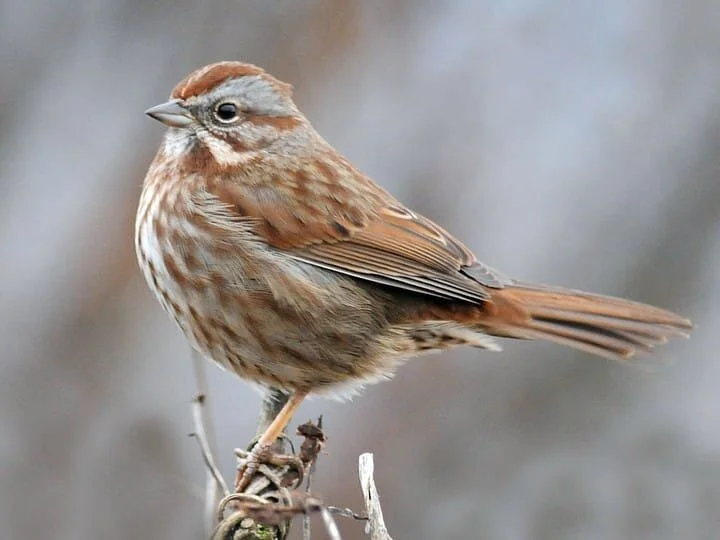
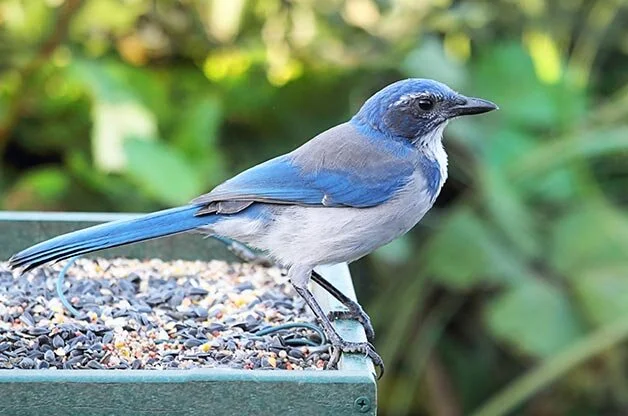
OMG!!!! So many types of birds here today. I sat and beheld their beauty, enjoyed their songs, felt moved by the sight of them. They don’t mind me now. They hop around on the ground below too. Is it the weather or the corona-virus lock down that has brought out so many fascinating creatures?! There are news reports of animals everywhere coming out. This is a time or renewal and healing for the planet. Human behavior has an impact on the earth and I believe Mother Nature is a force that should not be underestimated. I’m hearing so many sounds…..this variety is breathtaking. I have to keep filling the bird feeder. Here’s who I spotted:
⦁ White throated sparrow
⦁ Pacific coast white crowned sparrow
⦁ Northwestern song sparrow
⦁ Just one scrub jay
⦁ MY FAV a house finch that I didn’t see in SC area
1 & 2 look the same
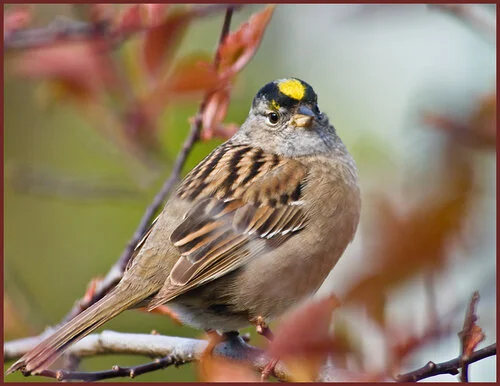
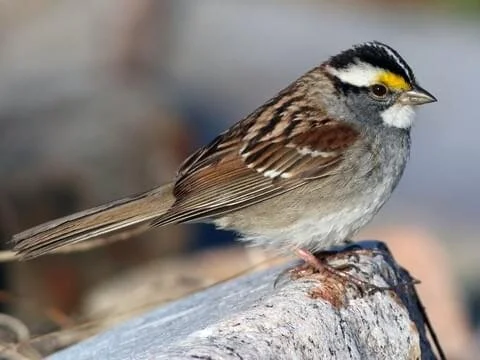
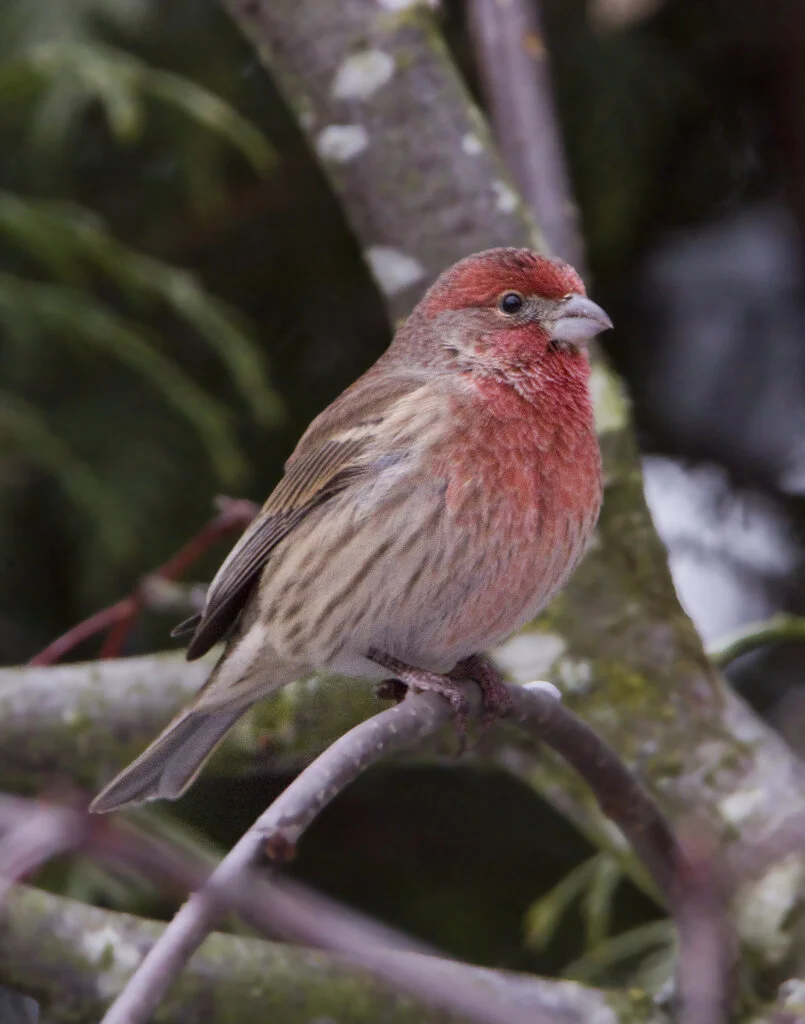
April 1, 2020
Later that same day…... A RACOON! It made me think about “my heart” schools…..where I left my heart in the south bay. Mountain School https://lgsons.org/and the Santa Cruz Forest http://www.thesantacruzforestschool.org/school how much I miss sharing nature with the children. We used to name “critters” things like John the raven and Scrubby the jay. I would name this one Mask the coon.
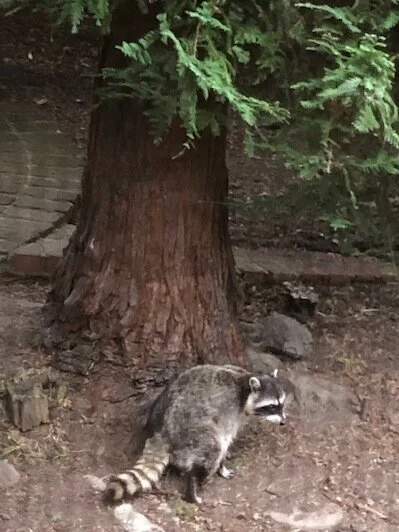
“Mask” the coon
Nature is essential during lock down! I didn’t realize it before but I am experiencing grief over not working in a nature-based schools anymore. They type of learning and the values that are instilled really align with who I am as a person. Before I worked at Mountain school and Santa Cruz forest school, I had moved away from who I was as a child. A free spirit with wild hair, always messy, curious and excited about the world. After eight years outdoors, I re-connected and healed. Since I haven’t been as in tune with the planet, the phase of the moon, the setting of the sun, the ocean’s tides I have been so “off.” So out of sorts. Nature is so healing and I’m just so deeply affected by her unselfish gifts. It saddens me that outdoor schools aren’t equitable for all children and all Teachers. Many do not offer medical insurance and can’t offer full-time work. When I cam here to San Francisco Bay area I had a goal of bringing more nature to urban children. I have been researching grants. My friend (a former Mountain School parent) is a pediatrician working for Sutter Health giving park prescriptions to patients and their parents which includes free bus passes and Taxi’s plus translation services for Spanish speakers. No one should be afraid of nature because of lack of exposure. Our ancestors viewed nature as kin.
“No one should be afraid of nature because of lack of exposure. Our ancestors viewed nature as kin.”
April 7-15 , 2020
I’ve been fighting with this black squirrel for days (I try to watch my pronouns and not refer to animals and trees as him, or he all of the time-especially with children). I know it’s the same one because when it hangs, I can see all the missing patches of fur on its belly. I moved the feeder to weaker branches that could not support their weight- but still it went and hung upside down from other branches and swung it around violently dumping all of the seeds on the earth below. So pesky! So clever! What a trickster! I ran outside on several occasions and clapped my hands and yelled. But it kept coming back. Then I tried moving it closer to the house, but that scared them off every time I walked by and one poor bird did a hard face plant into my living room window. I hard the loud thud from inside. Now I fill the feeder ½ full so if it get dunked it I don’t loose as much seed. I guess that’s the end of my bird sit spot!
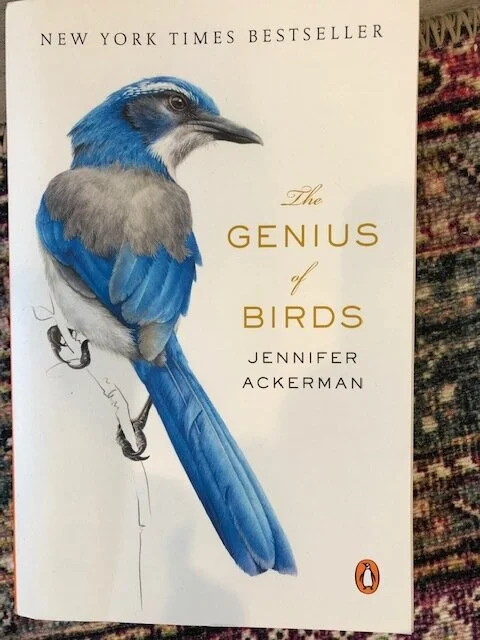
This is a fascinating book. I learned so much bout bird language and bird intelligence. I am going to have to read it again. I had no idea that they’re smarter than humans. Some are collectors, some use echo-location and they’re better than any GPS. I must re-read ASAP! ****more info. in the book tab of this website.
Reflection from the Mind of a Teacher:
What I learned from this nature journaling process it that I am so in tune with the intricate details of the planet, and the children I work with are too. Being reflective in this way also made me think more deeply about why connecting with nature is a value for me and how essential it is for harmony in my life. I think it made me more open and thoughtful. This type of nature journaling with children could really help them get in tune with and articulate their feelings, be more aware of their senses, and scientifically they would learn about the patterns, habits and abilities of animals, trees, and the weather cycles. So many questions would arise and that’s what we want for kids. To instill a passion and curiosity about seeking knowledge. In nature you gain clarity. After sitting, resting and soaking in all of the healing the earth has to offer I feel a calm energy that moves to creative action.
-CM
References:
Louv, R. (2013). Last Child in the Woods: Saving our Children from Nature-Deficit Disorder. London: Atlantic Books.
The Outdoor Classroom Project. (n.d.). Retrieved May 23, 2020, from https://outdoorclassroomproject.org/
Young, J., Haas, E., McGown, E., & Louv, R. (2016). Coyote's guide to connecting with nature. Santa Cruz, CA: OWLLink Media.